






Biostatistical Methods
Short description: This course provides a comprehensive overview of key statistical methods used in biomedical research, including multiple comparisons, correlation analysis, and survival analysis. Students will learn to select and apply appropriate statistical tests to analyze data and determine the impact of new methodologies. Key topics include data sampling, measures of central tendency and dispersion, hypothesis testing, regression models, non-parametric tests, and survival analysis techniques.
Target Audience: MSc and PhD students interested in analyzing clinical data for research purposes
Prerequisites: None
Course Objectives:
1. Understand fundamental biostatistics concepts, including sampling, measurement, and descriptive statistics.
2. Perform t-tests, ANOVA, multiple comparisons, regression, correlation, repeated measures, nonparametric tests, and survival analysis.
3. Analyze categorical data using rates, proportions, and chi-square tests.
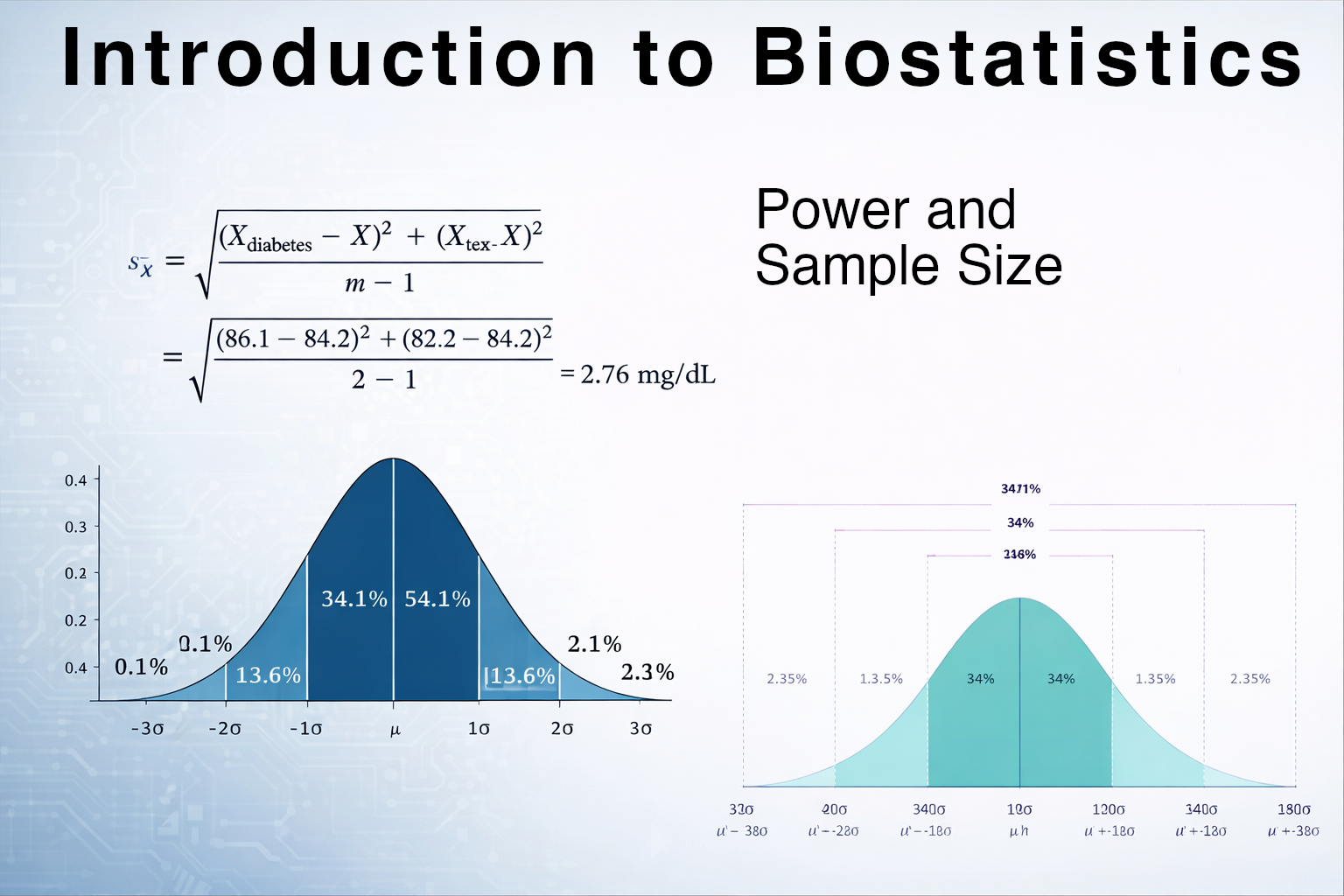
4. Calculate power and determine sample size for study design.
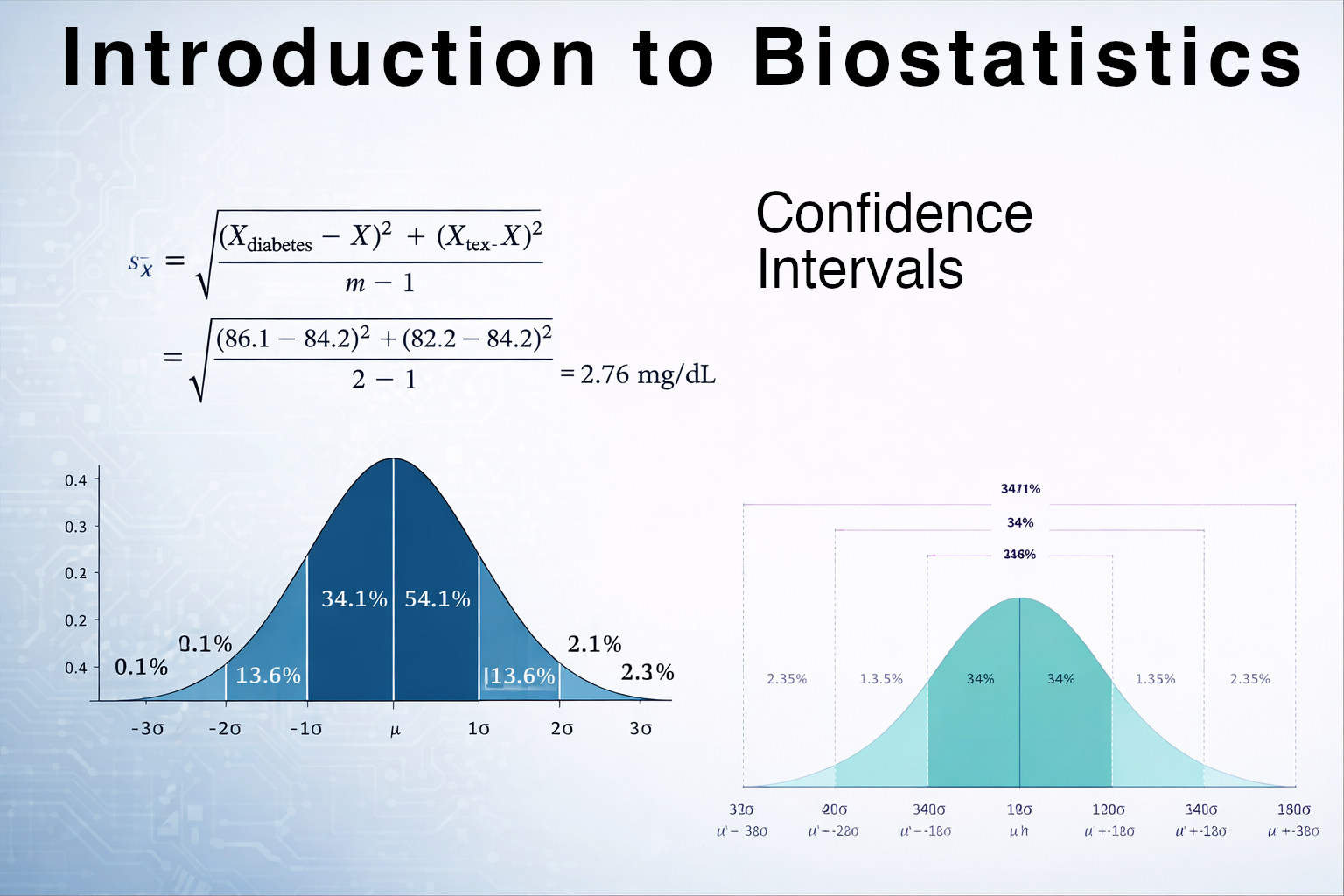
5. Construct and interpret confidence intervals.
6. Use SPSS for statistical analysis and visualization.
Course Materials:
Textbook: Glantz SA. Primer of Biostatistics. 6th ed. New York, NY: McGraw-Hill; 2005.
Software: MATLAB or SPSS could be used.
|
Module |
Topic |
Lecture |
|
Module 1 |
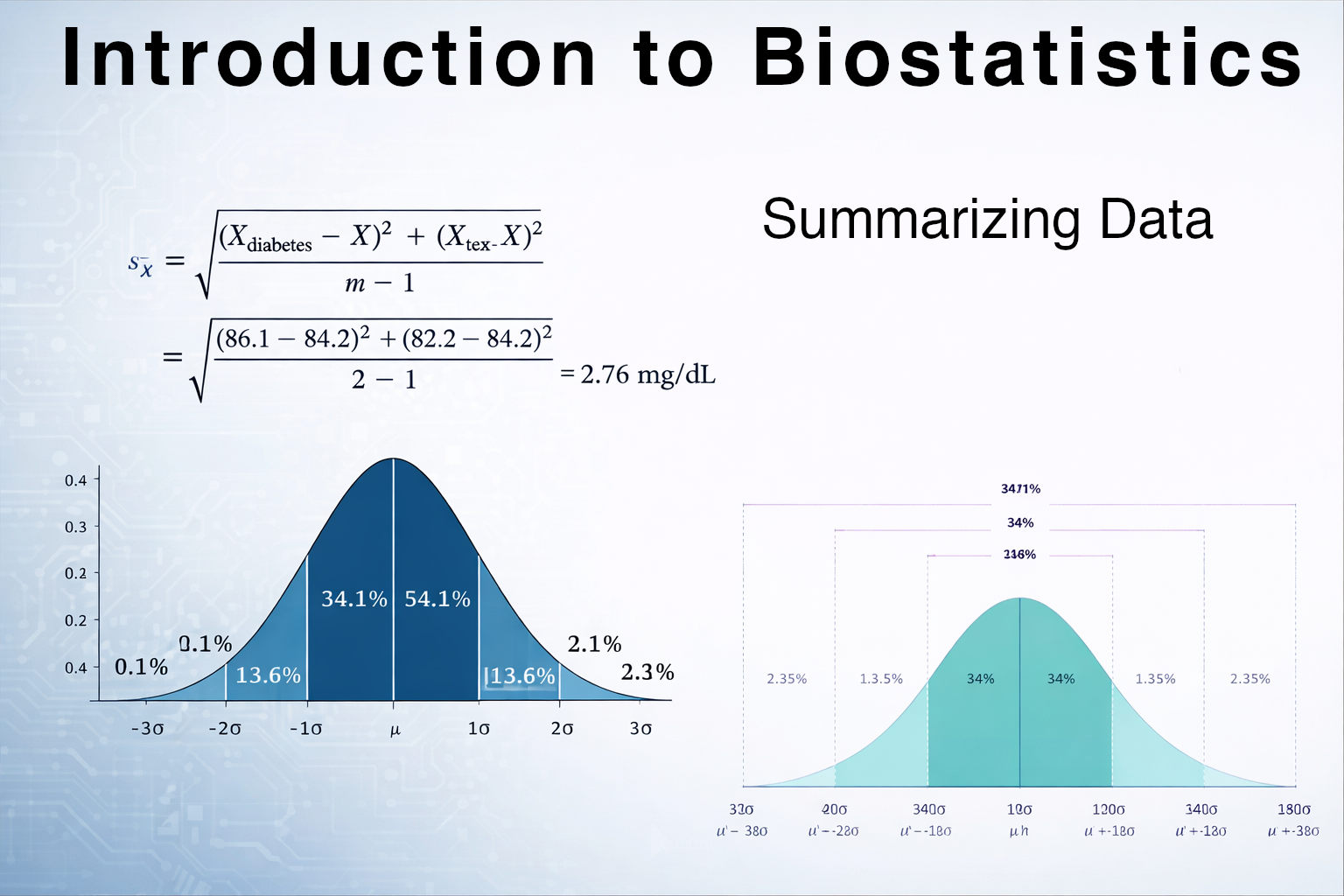
Introduction: Sampling, Experimentation, Measurement, Descriptive Statistics |
|
|
Module 2 |
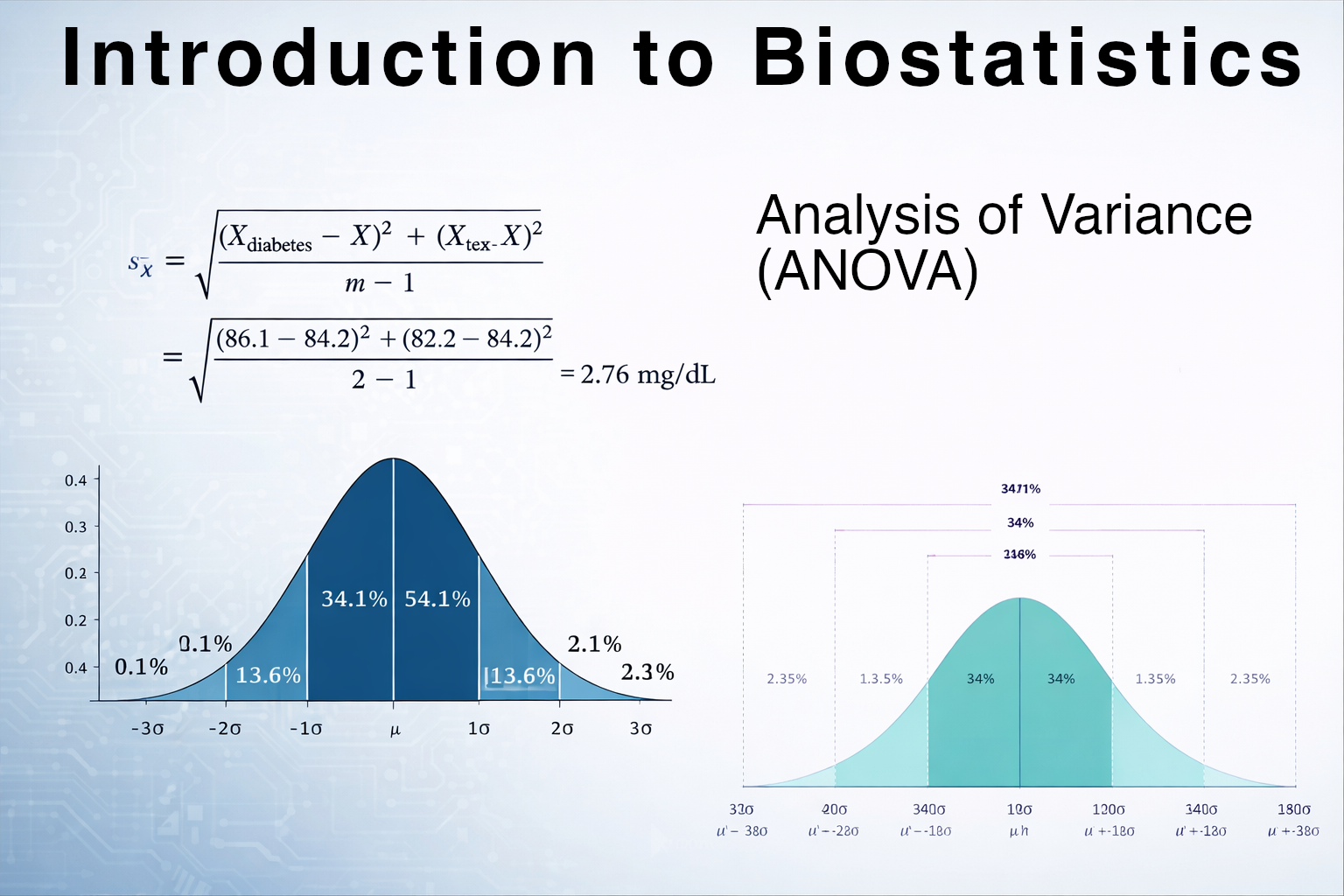
Analysis of Variance |
|
|
Module 3 |
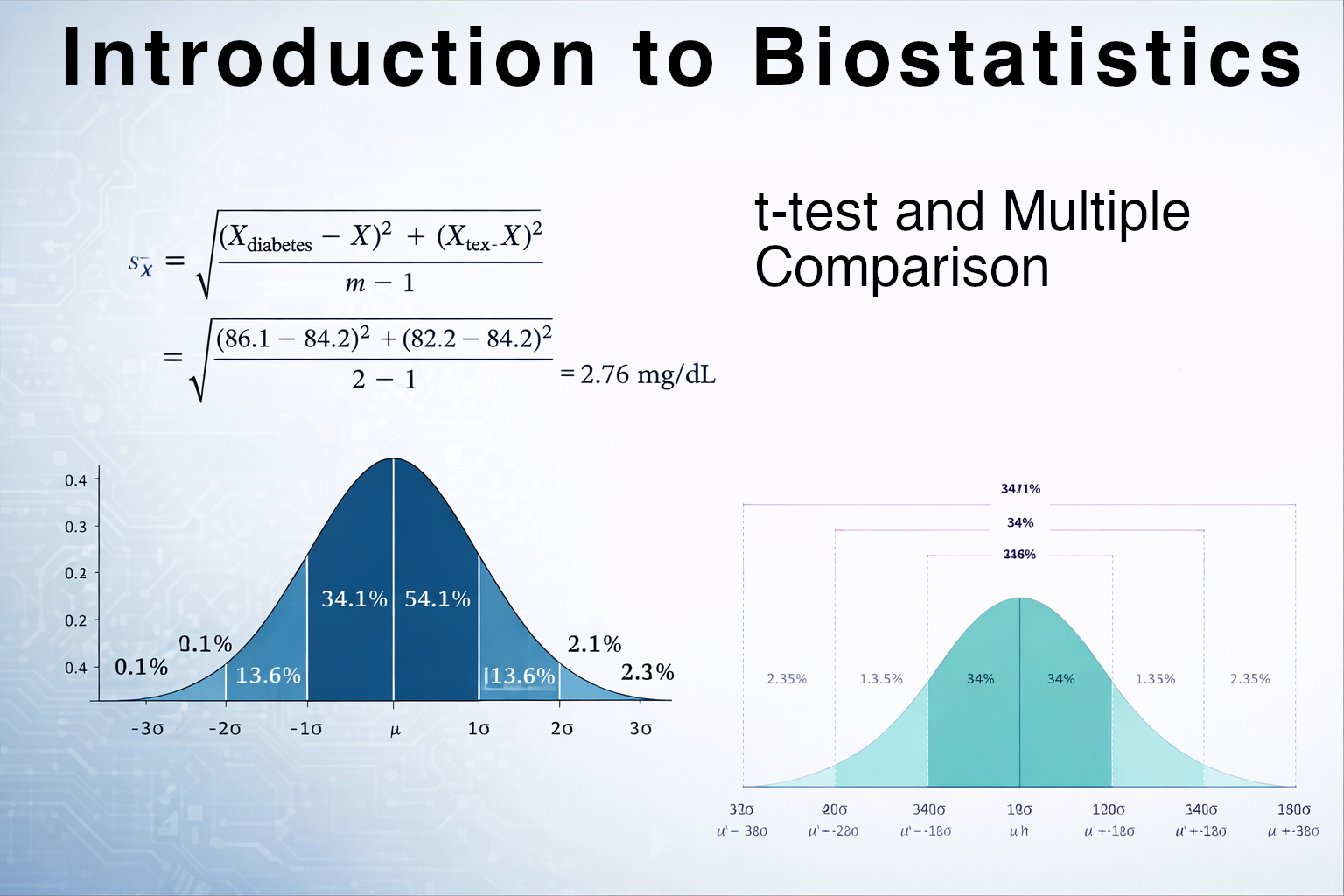
t-test, Multiple Comparisons |
|
|
Module 4 |
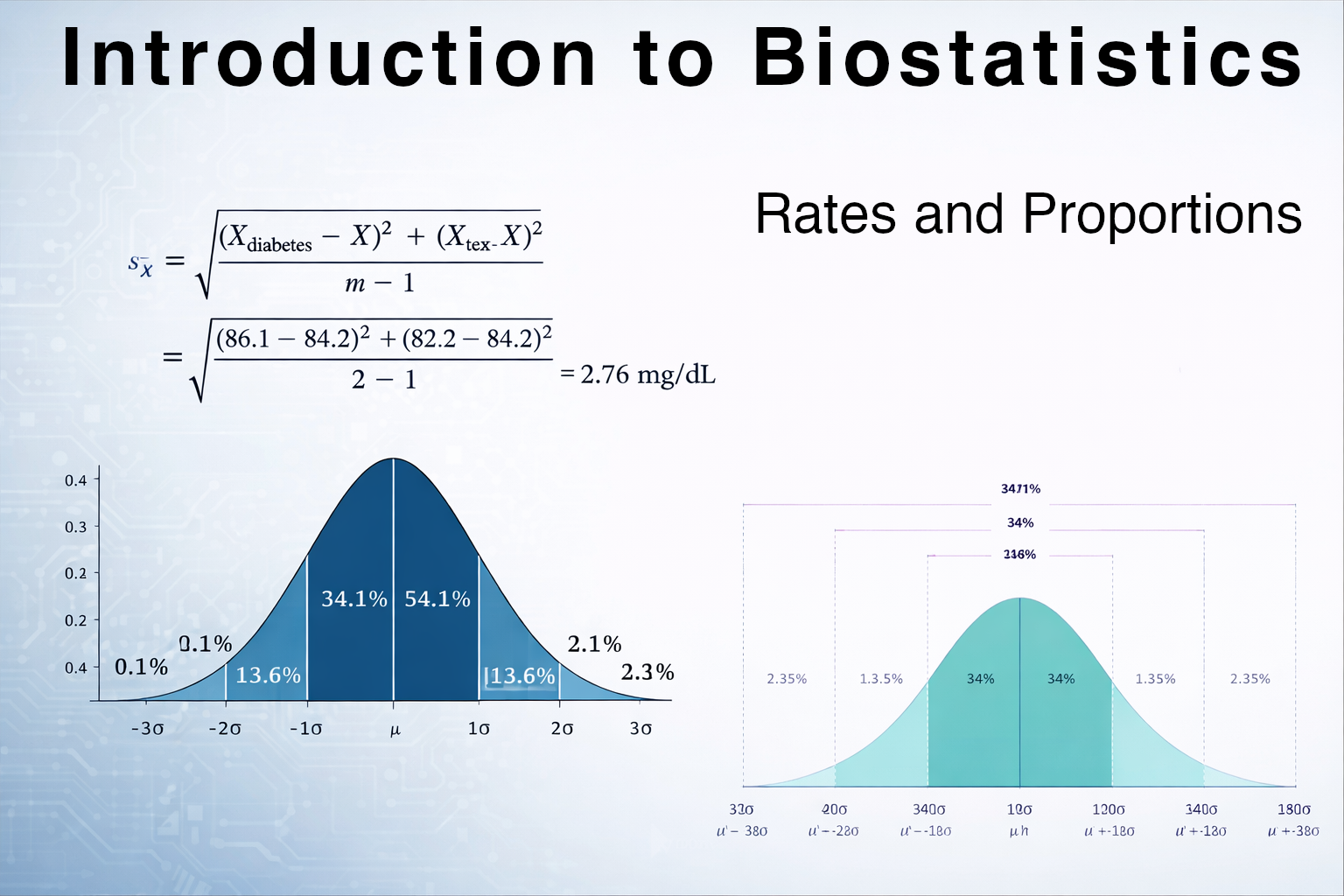
Rates and Proportions |
|
|
Module 5 |
Power and Sample Size |
|
|
Module 6 |
Confidence Intervals |
|
|
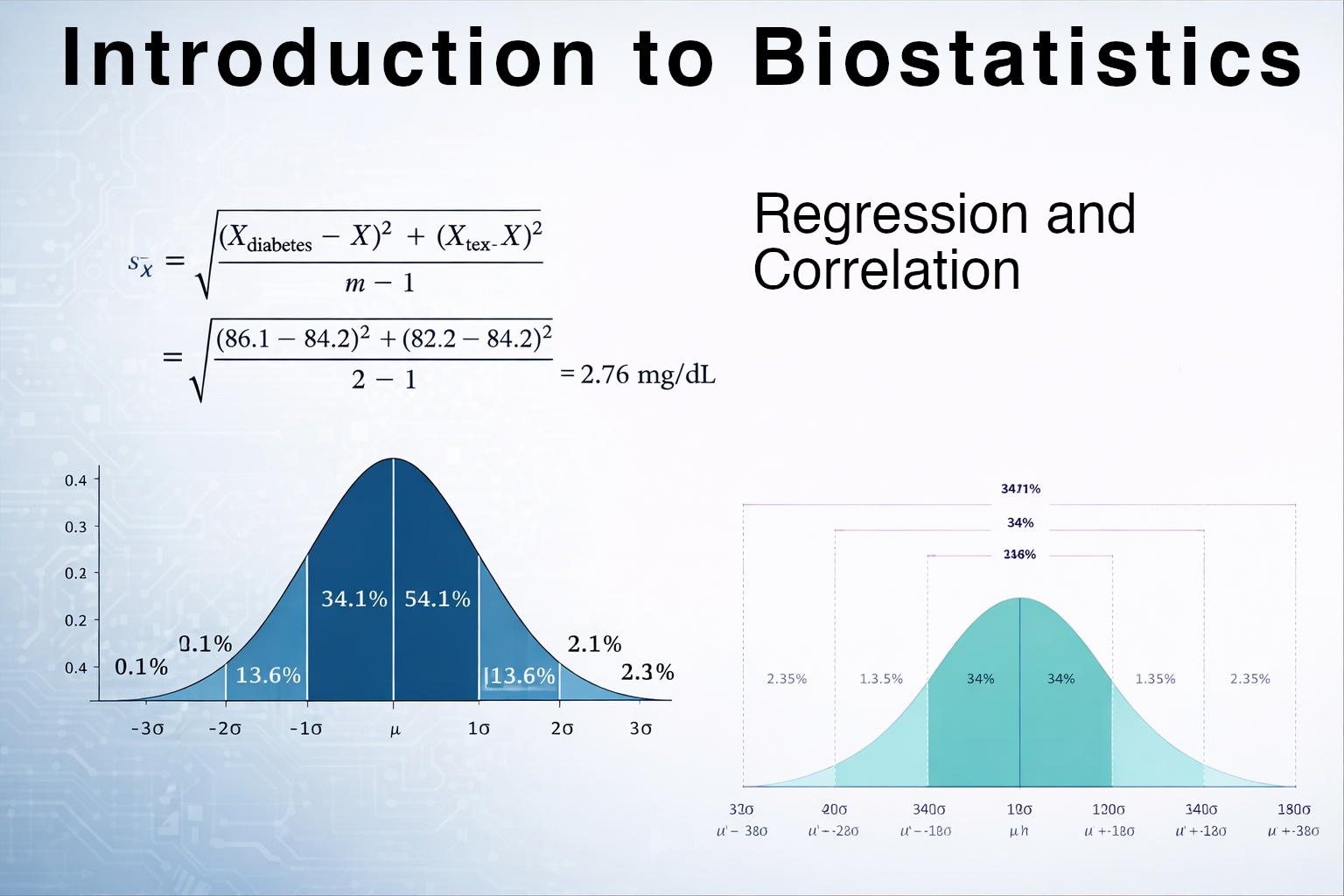
Module 7 |
Regression and Correlation |
|
|
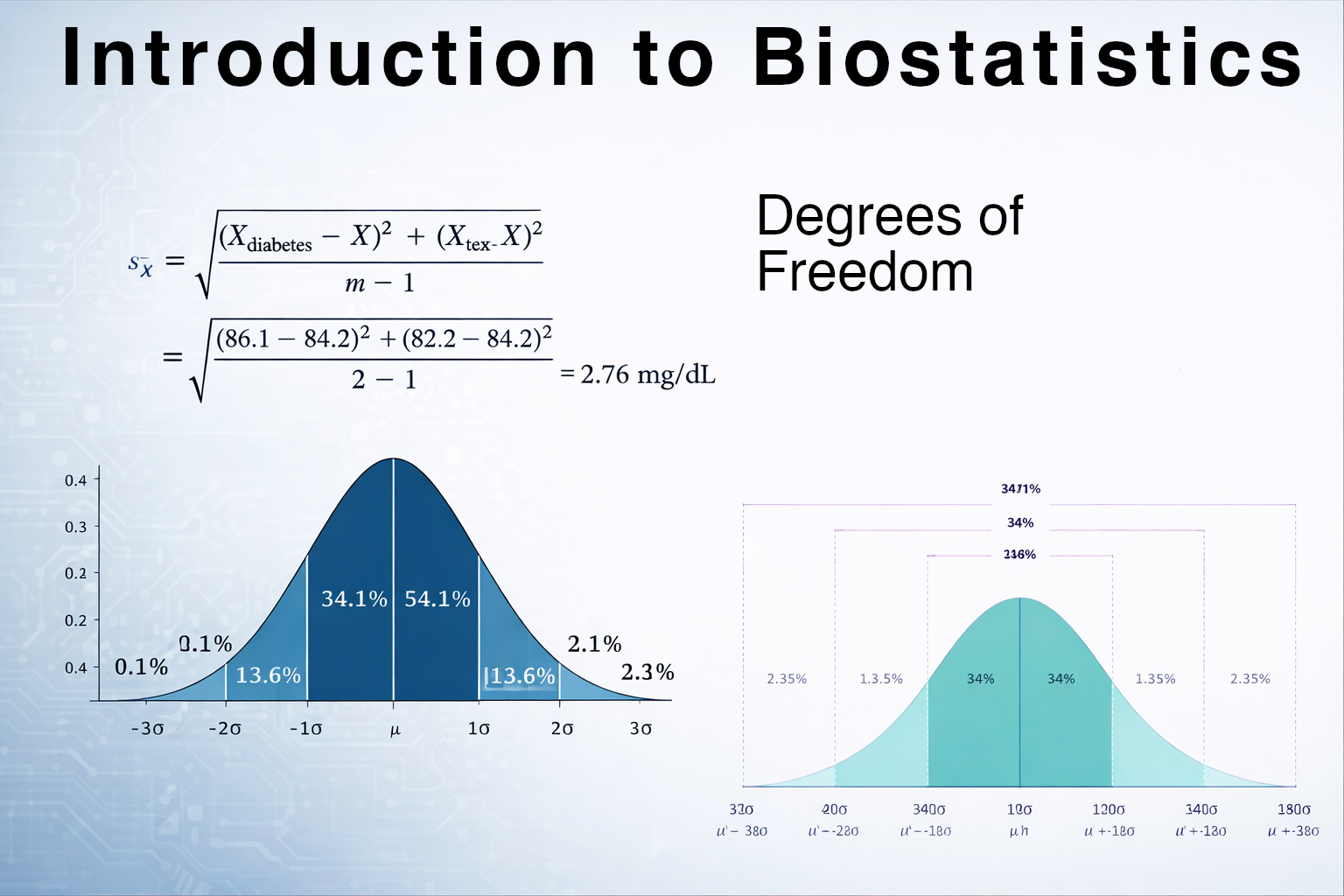
Module 8 |
Degrees of Freedom |
|
|
Module 8a |
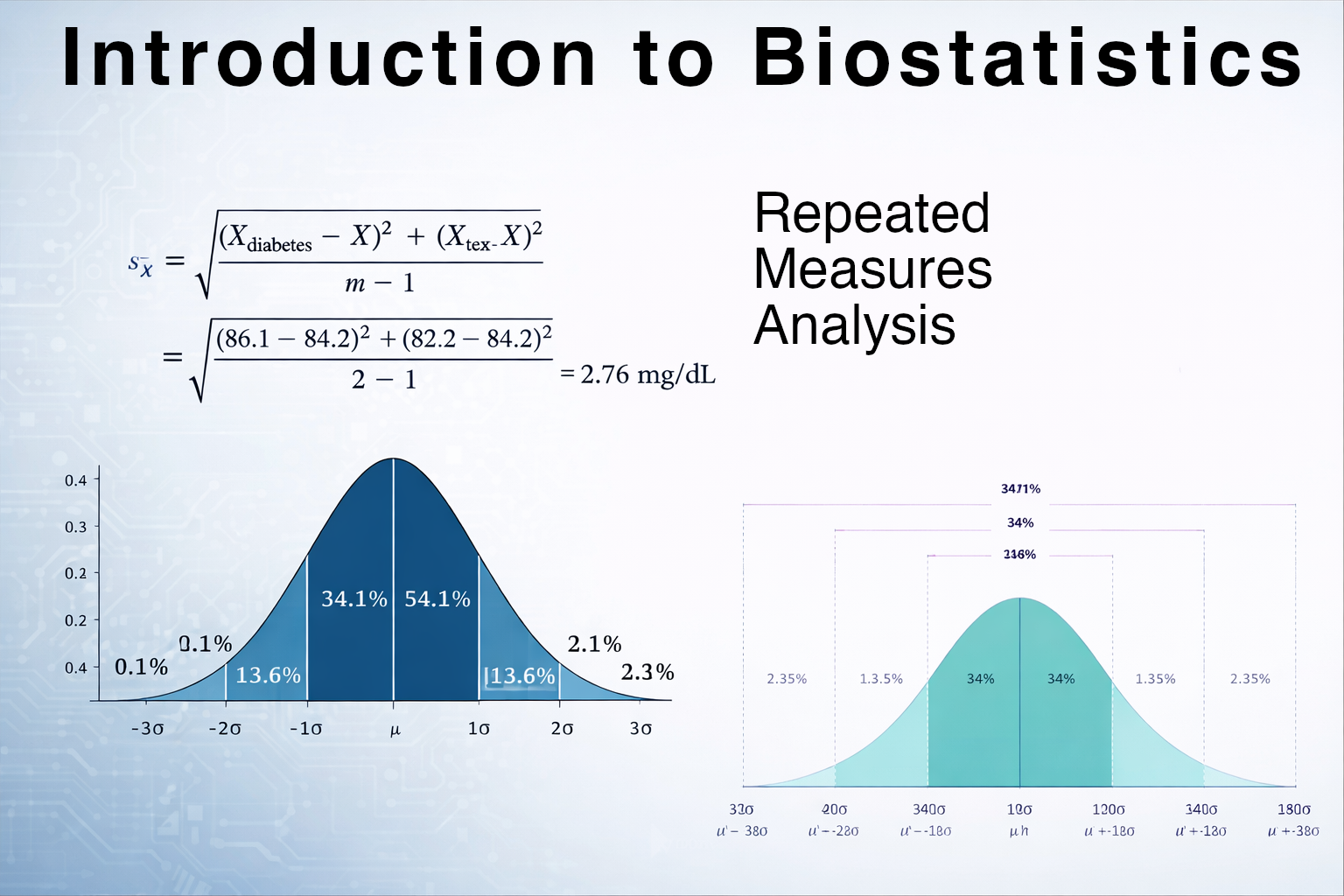
Repeated Measures Analysis |
|
|
Module 9 |
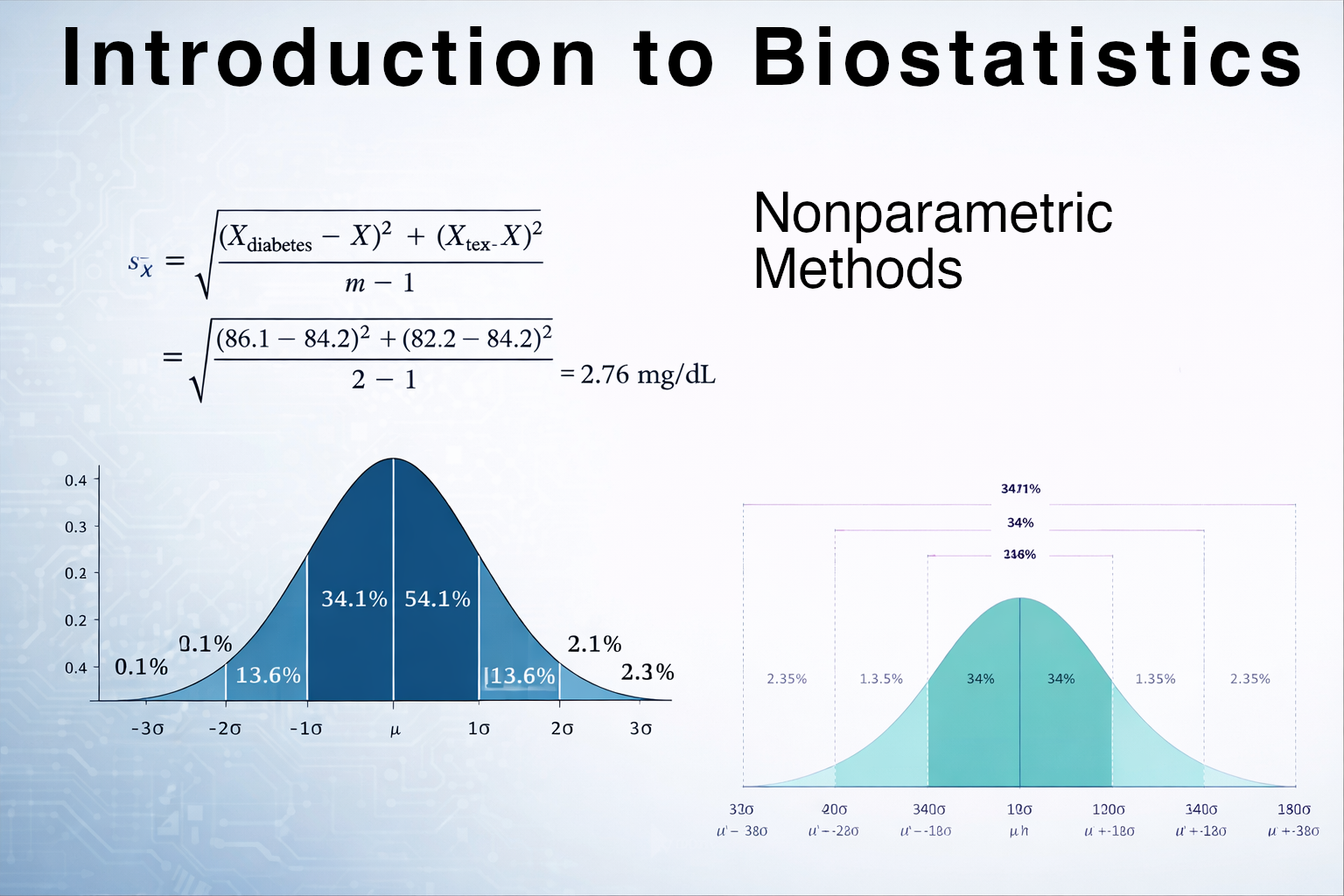
Nonparametric Methods |
|
|
Module 10 |
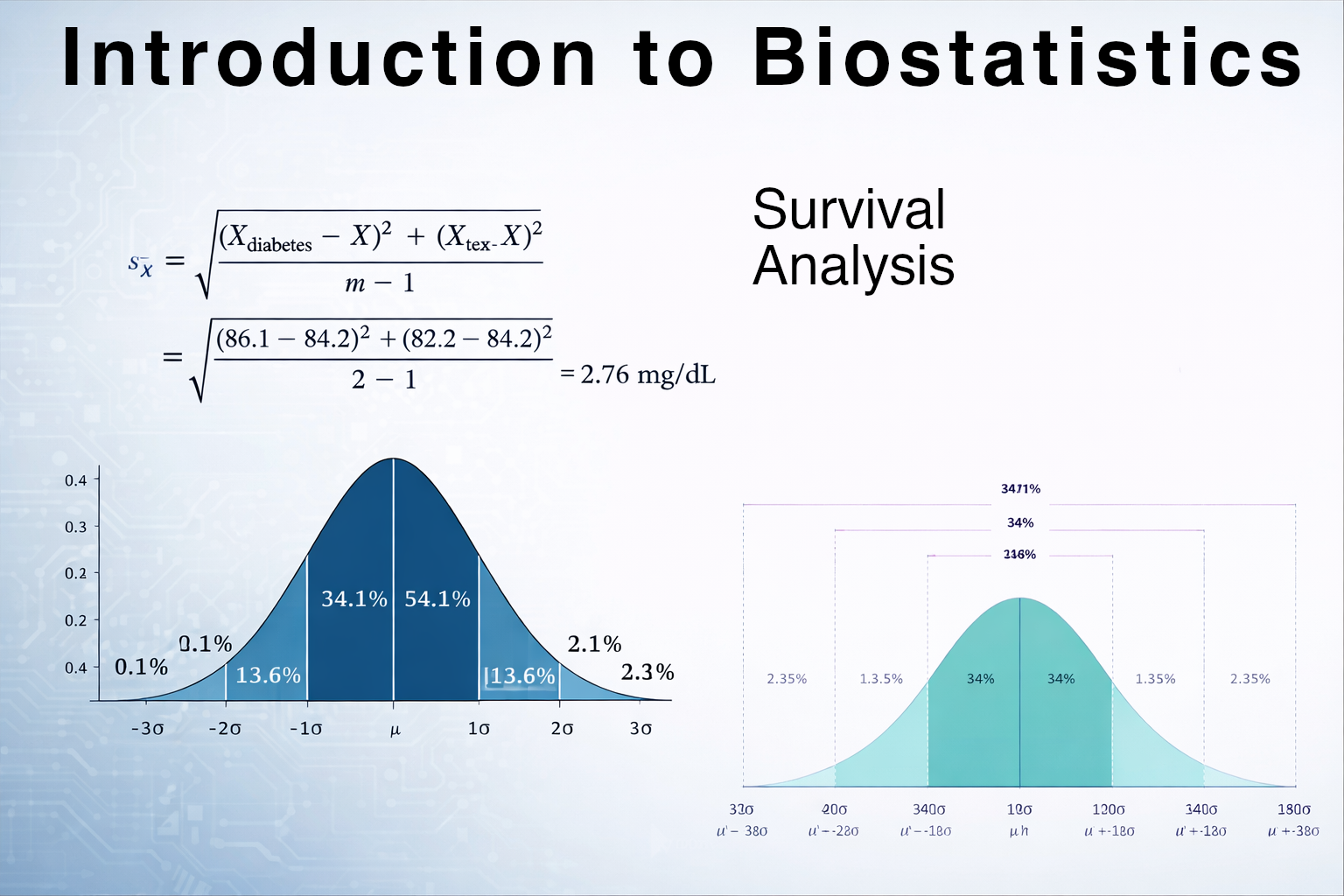
Survival Analysis |
|
|
Module 11 |
Data analysis in SPSS/MATLAB tutorial |
Will be recorded soon |