




MRI Applications in Clinical Research
Short Description: This specialized lecture series explores the powerful translation of advanced magnetic resonance imaging (MRI) techniques into definitive quantitative biomarkers for clinical research. Throughout the tutorial, participants dive into computational neuroimaging frameworks for characterizing complex neuroinflammatory and oncological pathologies, with a heavy emphasis on Multiple Sclerosis (MS) and brain tumors. By integrating foundational clinical neuroscience with state-of-the-art post-processing pipelines, the lectures demonstrate how structural, functional, and metabolic alterations can be leveraged to guide diagnosis and forecast patient trajectories.
Target Audience: Graduate students, researchers, and medical doctors aiming to do clinical research with MR
Prerequisites: Basic understanding of MRI, MRI basics for Multiple Sclerosi
Tutorial Objectives:
-
Understand the utilization of specialized imaging techniques, including Diffusion Tensor Imaging (DTI) and Arterial Spin Labeling (ASL), to monitor microstructural tissue degradation and regional blood flow alterations in neurodegenerative conditions.
Learn to map resting-state functional connectivity changes within the brain to identify sub-clinical disruptions and track cognitive or motor network remodeling in Multiple Sclerosis patients.
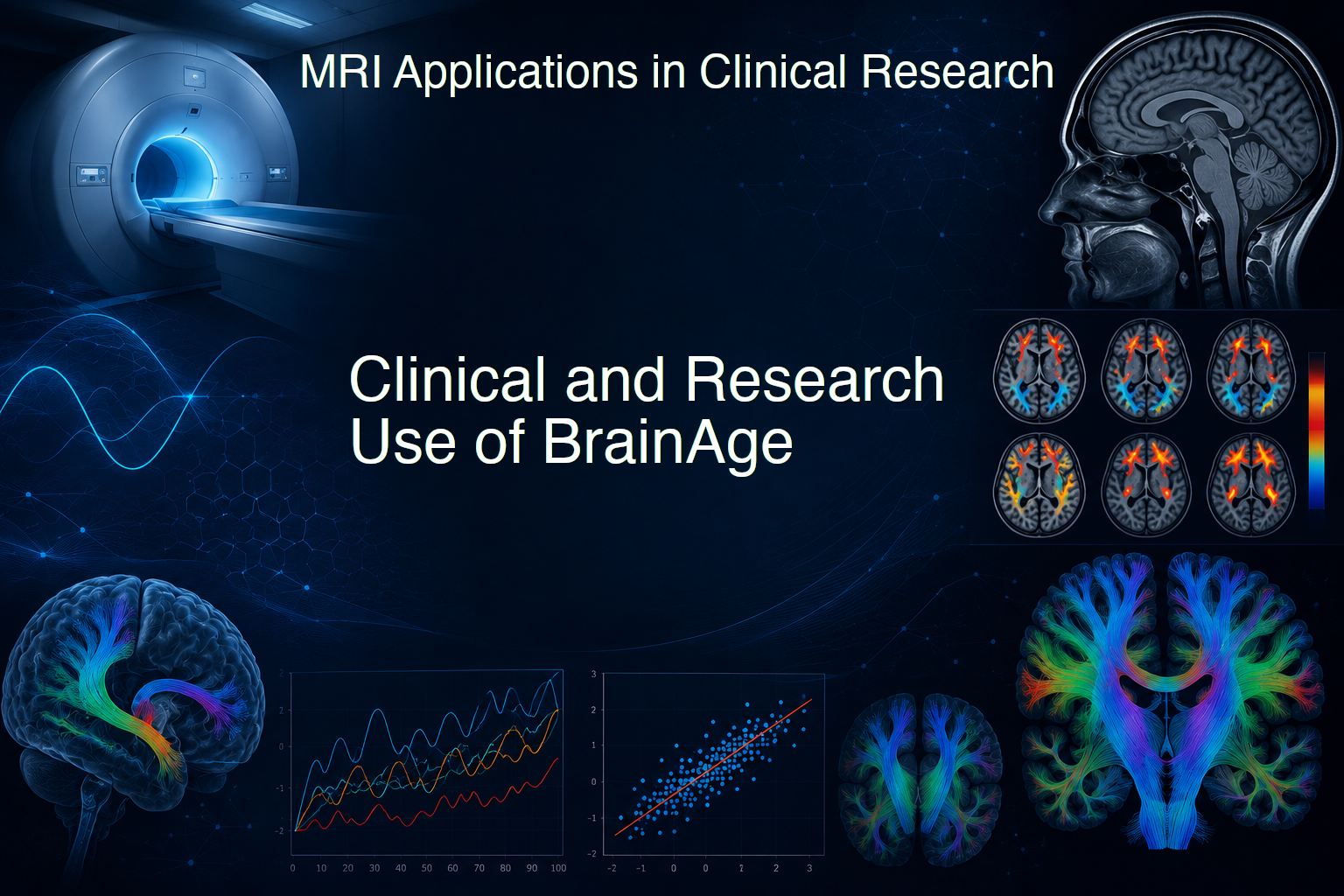
Gain knowledge in structural segmentation workflows to accurately measure regional gray and white matter volume loss over time, and explore machine learning frameworks that calculate "BrainAge" as a prognostic marker for clinical disability.
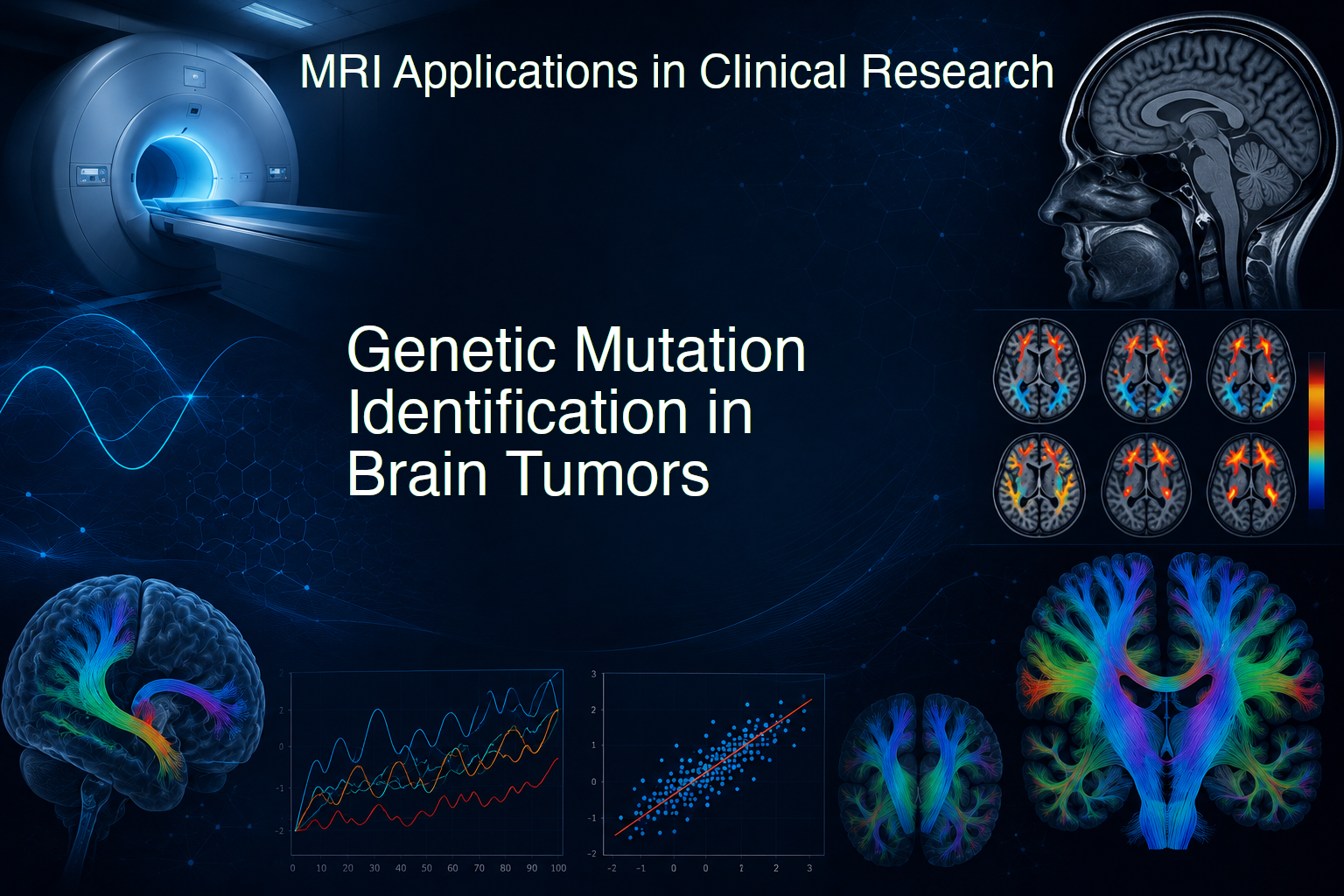
Understand the principles of Magnetic Resonance Spectroscopic Imaging (MRSI) to track biochemical changes in brain tumors, and discover how radiomic signatures can non-invasively predict critical molecular and genetic mutations (such as IDH status).
Learn best practices for establishing reproducible, high-throughput imaging processing pipelines essential for analyzing multi-site research datasets and translating findings into clinical trial applications.
Tutorial Materials:
Textbook: None
Software: None
|
Module |
Topic |
Lecture |
|
Tutorial 1 |
Functional Networks in MS |
|
|
Tutorial 2 |
Advanced MRI Biomarkers in MS |
|
|
Tutorial 3 |
Brain Atrophy Assessment |
|
|
Tutorial 4 |
Introduction to BrainAge |
|
|
Tutorial 5 |
Clinical and Research Use of BrainAge |
|
|
Tutorial 6 |
Genetic Mutation Identification in Brain Tumors |
|